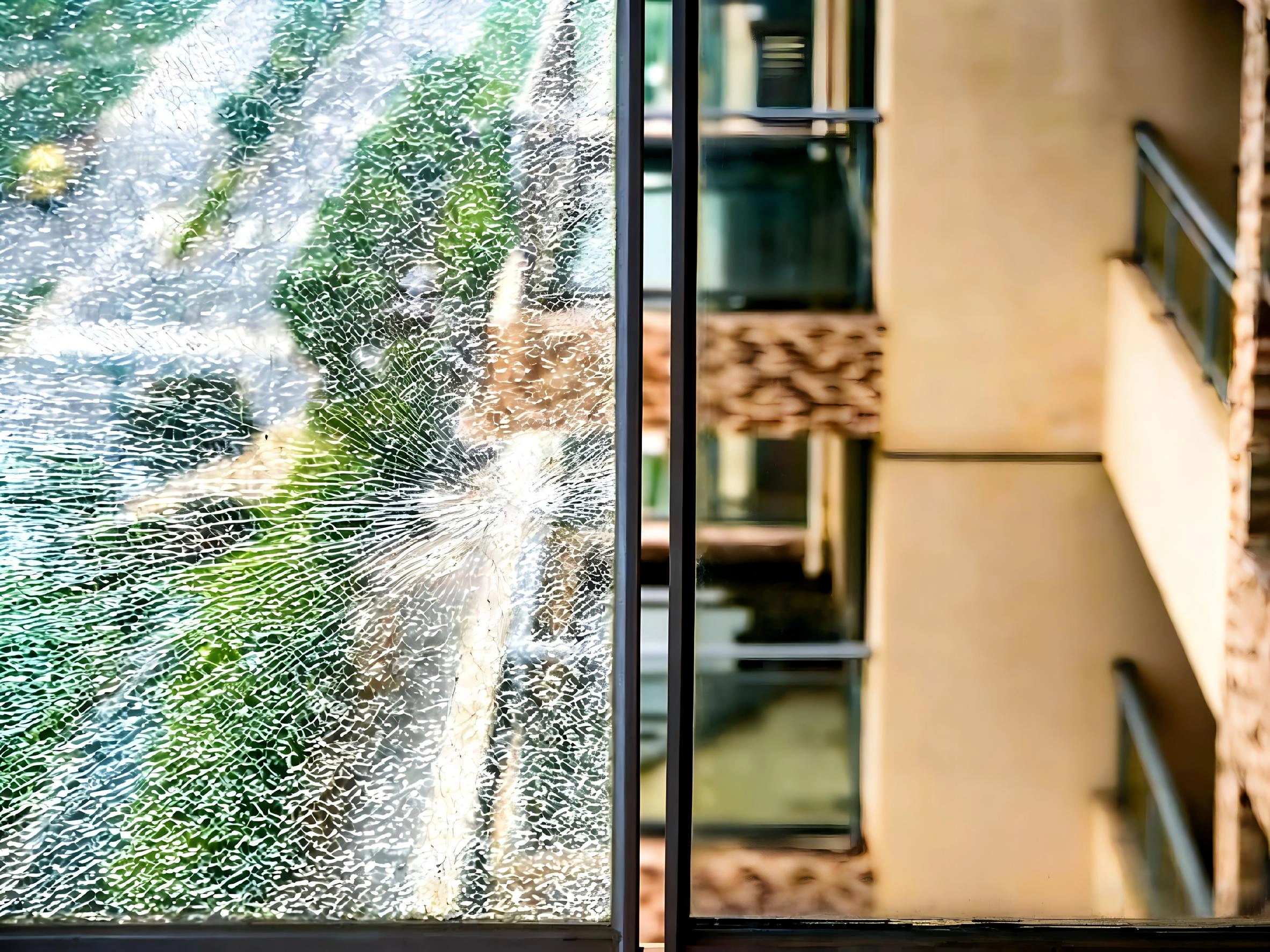
In our deeply ingrained perception, heat soak tempered glass has always been fragile. That impression is almost hardwired into us.
The moment we hear the sound of breaking glass, our first reaction is always alertness—something must have gone wrong.
In everyday life, accidentally breaking a piece of glass often brings a sense of guilt. Yet, when standing in a glass factory surrounded by discarded panels ready to be smashed, many people feel an irresistible urge to grab a hammer and strike freely. That intense sense of release is something hard to understand without experiencing it firsthand.
Among the many reasons why tempered glass breaks, the most unpredictable one is spontaneous breakage—a phenomenon unique to tempered glass.
And this is exactly where heat soak tempered glass comes into play.
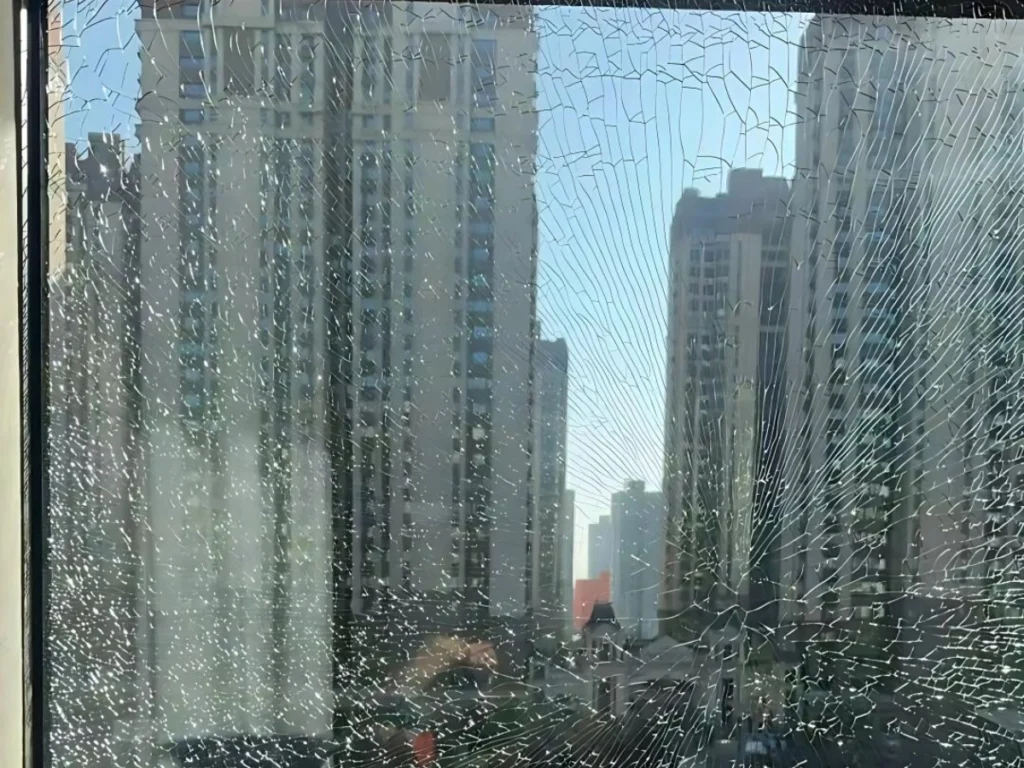
Why Does Tempered Glass Spontaneously Break?
The root cause of spontaneous breakage lies in nickel sulfide (NiS) inclusions trapped inside the raw glass. These impurities behave very differently from the glass itself when exposed to temperature changes.
Tempered glass is produced by heating ordinary glass to around 600–700°C until it softens, then rapidly cooling it with high-pressure air. This process creates compressive stress on the surface and tensile stress inside, making it up to five times stronger than standard glass.
However, this process has an inherent limitation.
Nickel sulfide exists in two crystalline forms:
- Alpha (α phase) – stable at high temperatures
- Beta (β phase) – stable at lower temperatures
During rapid cooling, the α-phase does not have enough time to transform into the β-phase and becomes “frozen” inside the glass.
Over time, this unstable α-phase slowly transforms into the β-phase, causing a 2%–4% volume expansion. Once this internal expansion exceeds the stress limits of the glass, it can lead to sudden and unpredictable breakage—without any warning, regardless of size or environment.
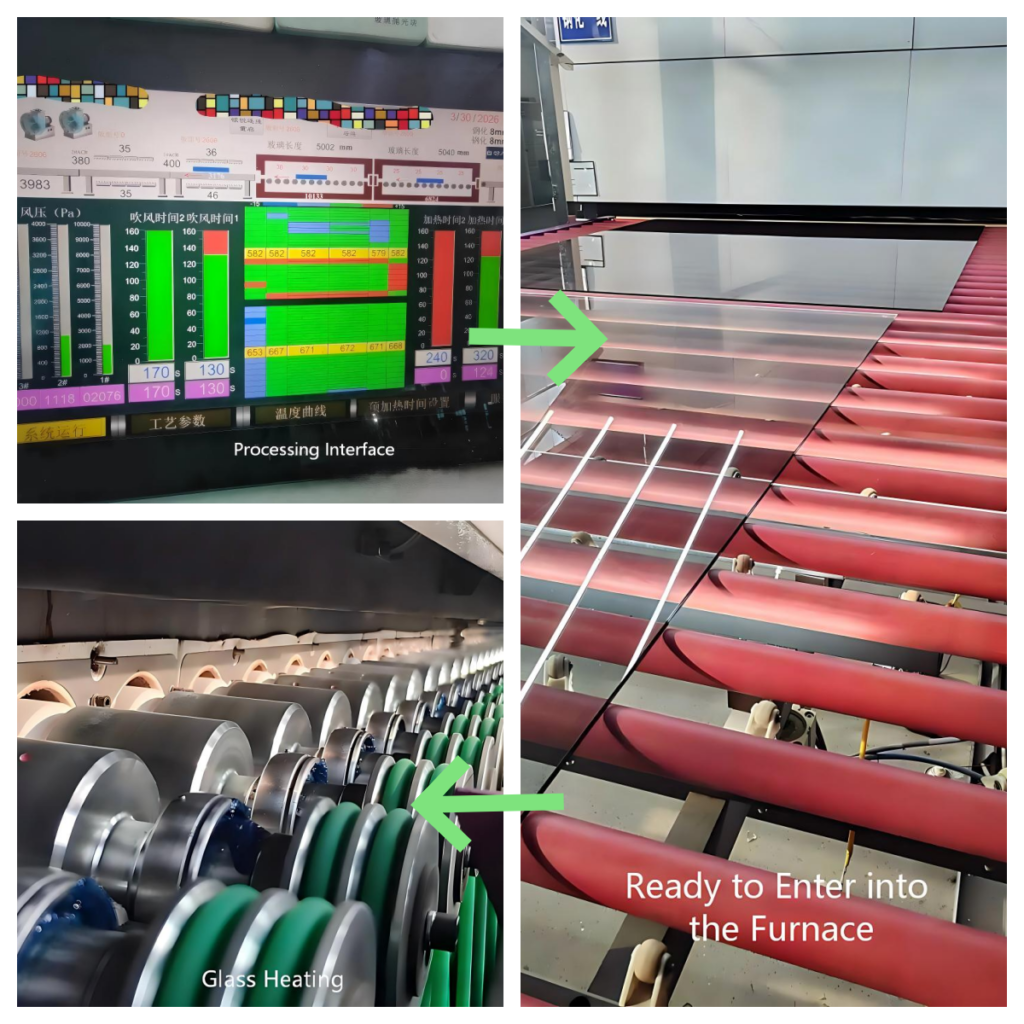
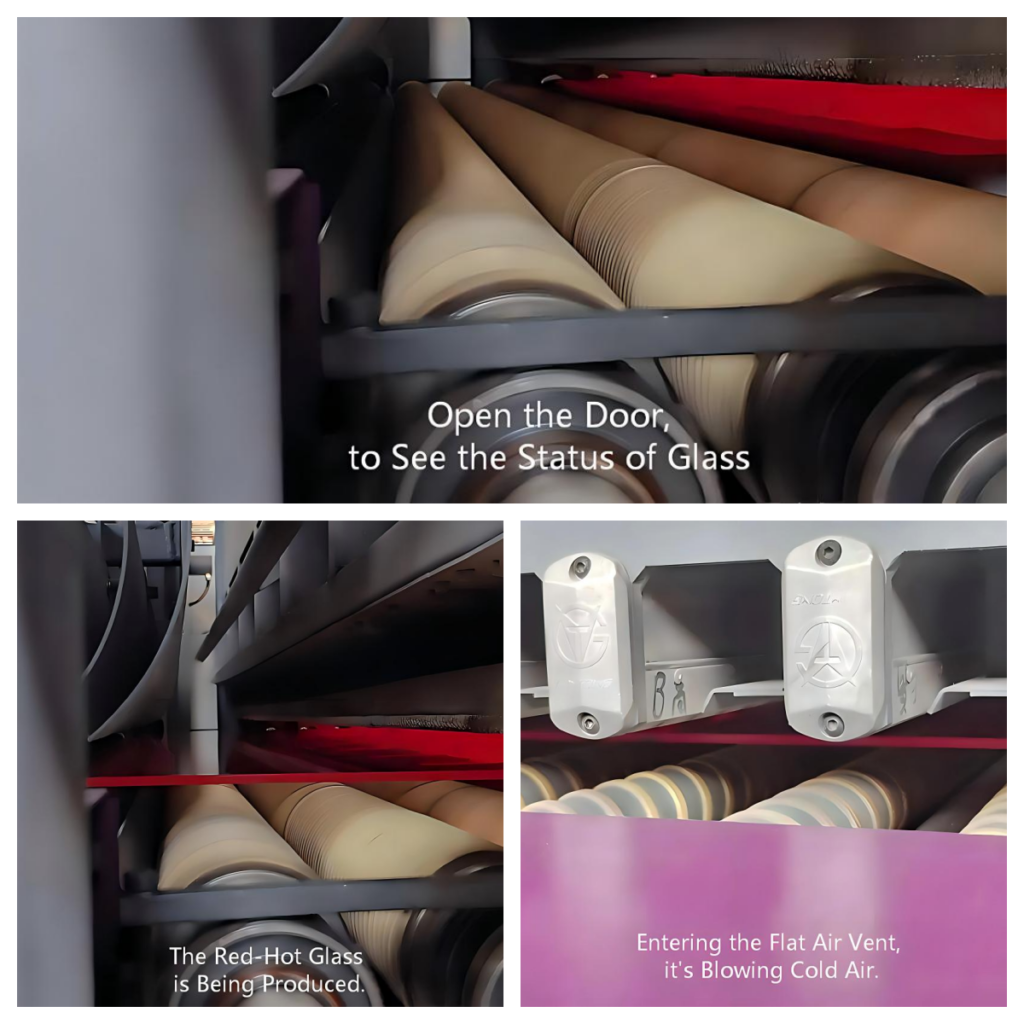
What Is Heat Soak Tempered Glass?
To address this issue, the industry developed heat soak testing (HST)—the process behind heat soak tempered glass.
In simple terms, it acts like a “stress test” for glass.
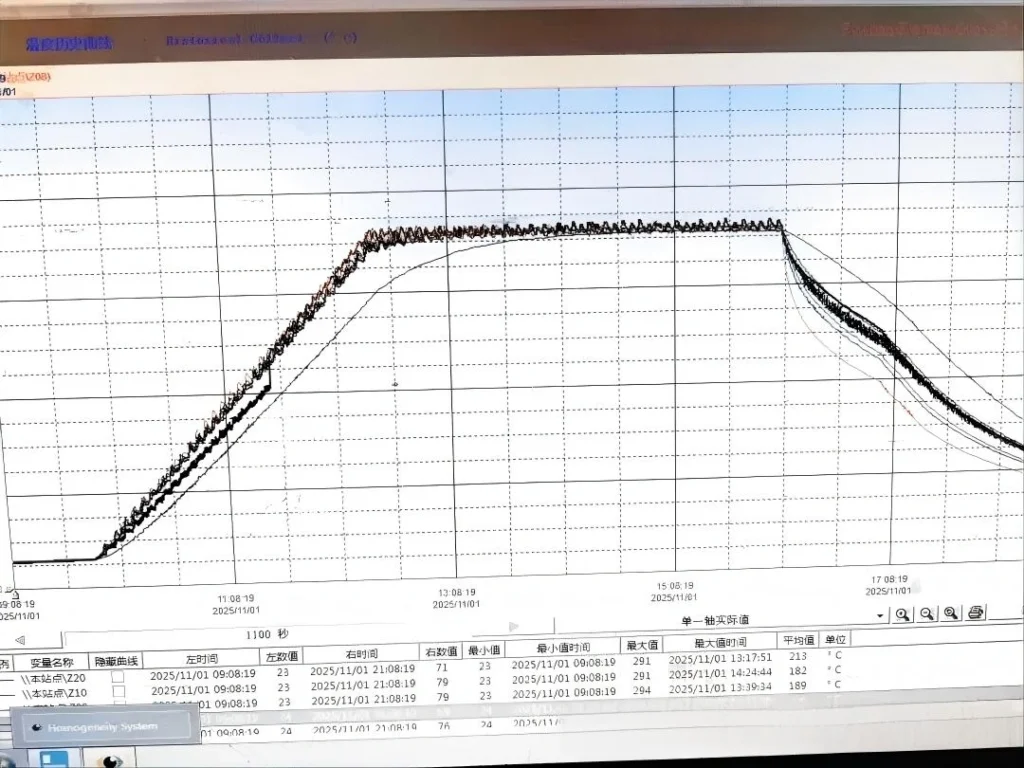
After tempering, the glass is placed into a heat soak furnace and undergoes a second heating cycle:
- The temperature is raised to approximately 290°C (±10°C) over about two hours
- This is the range where nickel sulfide transformation happens fastest—up to 100 times faster than at 250°C
- The temperature is maintained for at least two hours to ensure uniform heating
- Finally, the glass is slowly cooled down before removal
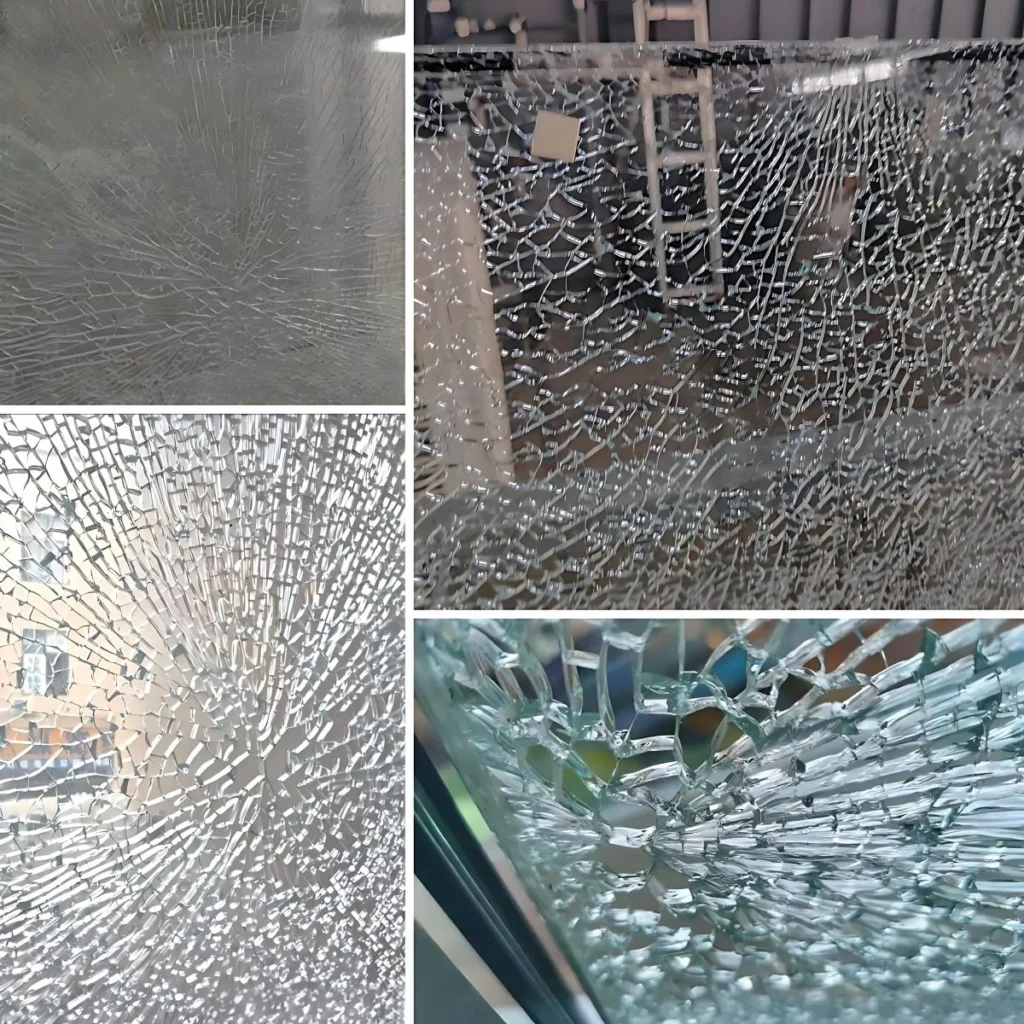
During this process, any glass containing critical NiS inclusions will break inside the furnace, rather than later in real-world use.
That’s why heat soak tempered glass is considered a key safety upgrade.
How Effective Is Heat Soak Tempered Glass?
The numbers clearly show the impact:
- Standard tempered glass: ~0.3% spontaneous breakage rate (3‰)
- Heat soak tempered glass: <0.01% (below 0.1‰)
To put it into perspective:
For a 100,000 m² curtain wall project:
- Regular tempered glass may result in around 30 spontaneous breakages within 5 years
- Heat soak tempered glass reduces this to less than 1 panel
That’s a 30× improvement in safety performance.
Does Heat Soak Tempered Glass Mean “Unbreakable”?
Here’s the critical truth:
Heat soak tempered glass does NOT mean unbreakable glass.
It only minimizes one specific risk—nickel sulfide–induced spontaneous breakage.
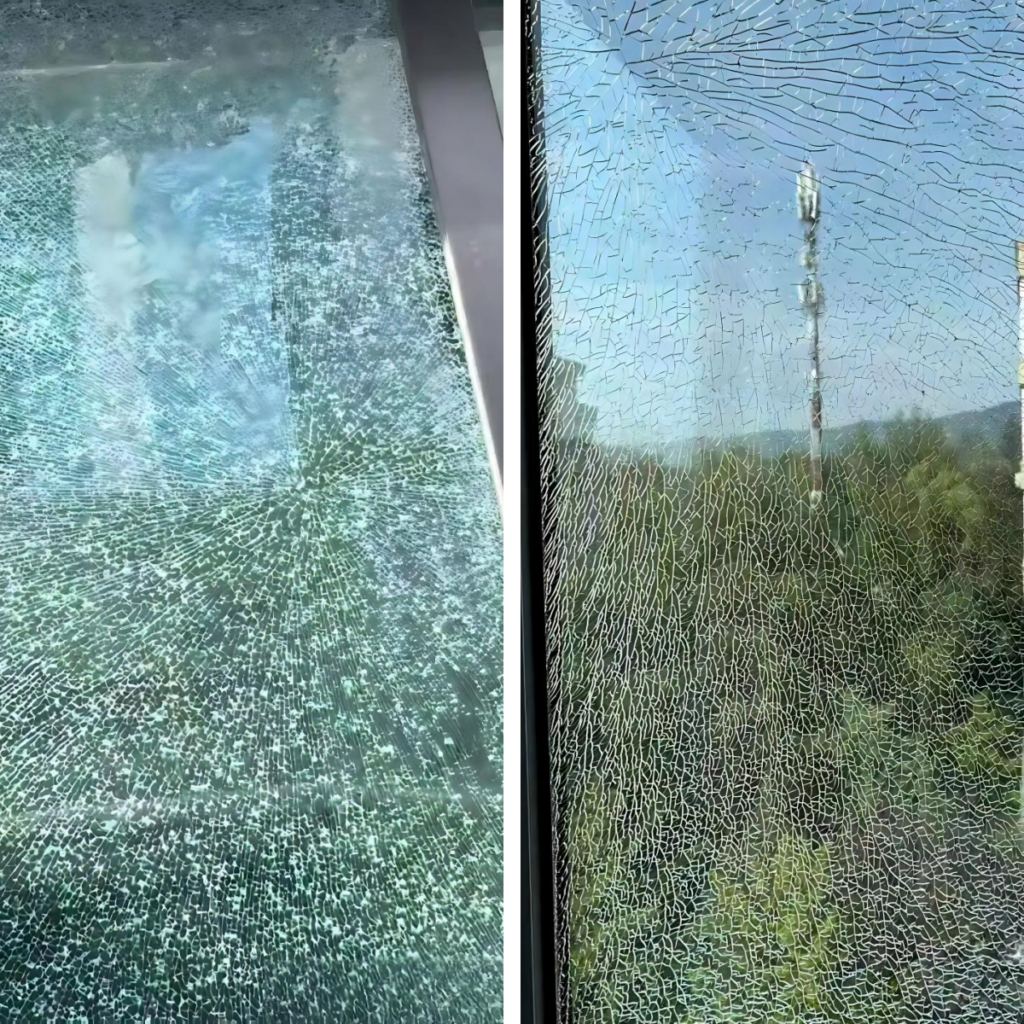
Other causes of failure still exist, including:
- Heavy impact or mechanical shock
- Scratches from sharp objects
- Uneven stress distribution
- Improper installation
- Frame pressure or insufficient clearance
- Poor edge finishing (micro-chipping)
- Extreme temperature fluctuations
- Internal defects such as stones or air bubbles
The heat soak process cannot eliminate these risks.
A Rational Understanding of Heat Soak Tempered Glass
For both manufacturers and end users, it’s essential to understand this technology correctly.
Think of heat soak tempered glass like insurance:
- It doesn’t guarantee zero risk
- But it significantly reduces the probability and consequences of failure
It should neither be overpromoted as “unbreakable glass” nor underestimated.
Instead, it is best understood as a critical safety control technology in modern glass engineering.
Final Thoughts
Good products are always built on details.
The progress of the glass industry is essentially about turning unknown risks into manageable probabilities. Heat soak technology has already reduced the spontaneous breakage risk of tempered glass to the limits of current manufacturing capabilities.
However, no process can override the fundamental properties of materials.
Only through proper manufacturing, installation, and usage can heat soak tempered glass achieve long-term, stable performance.
Ready to Choose Reliable Heat Soak Tempered Glass?
If you’re looking for high-quality heat soak tempered glass for your next project, choosing the right supplier is just as important as choosing the right process.
At Xpert BM, we provide professionally tested heat soak tempered glass that meets international safety standards and is widely used in curtain walls, commercial buildings, and high-rise projects.
Whether you need technical support, product specifications, or a quick quotation, our team is ready to help.
Email: sales@xpertglazing.com
WhatsApp: +86 15711964309