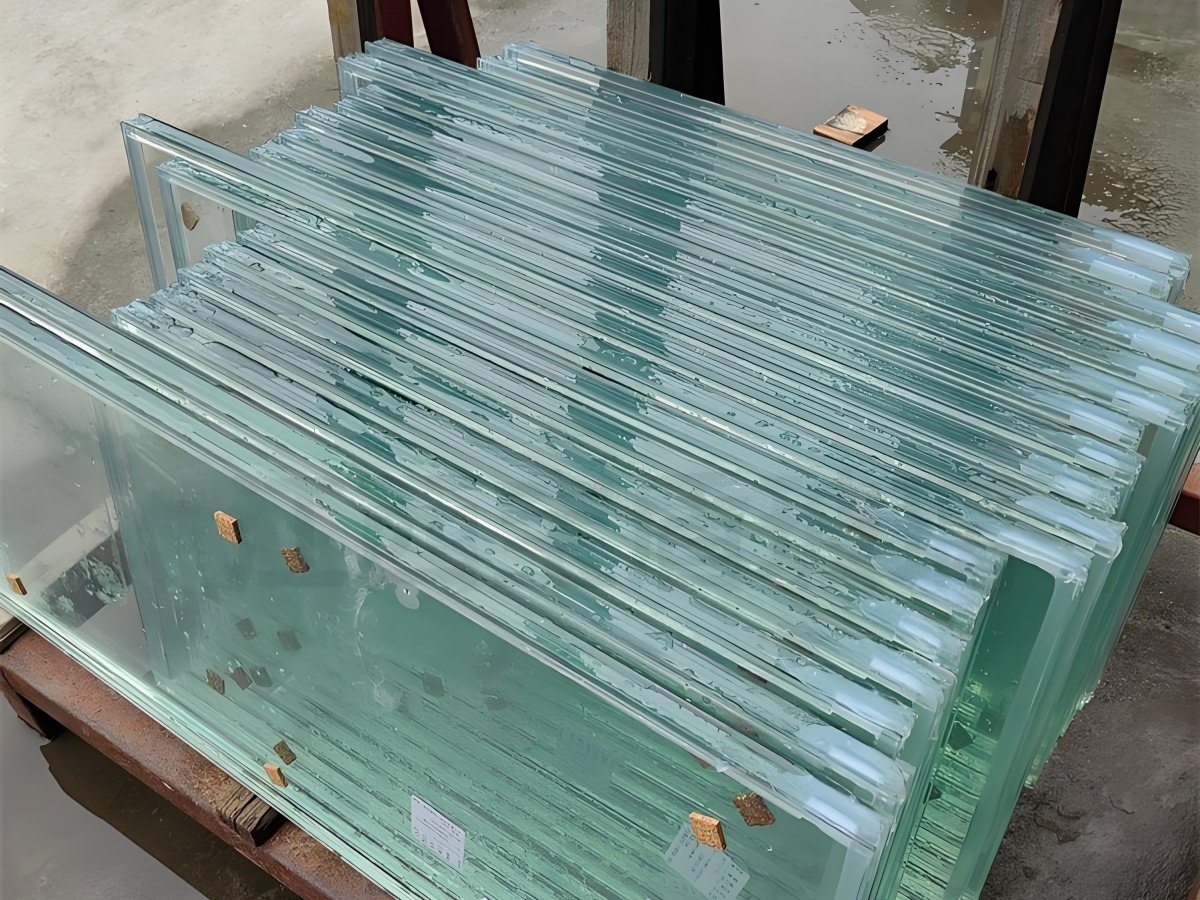
Today, architectural glass is no longer just about aesthetics—it has become a cornerstone material in sustainable, low-carbon, and energy-efficient construction. Among the many breakthroughs in façade technology, Tempered Vacuum Insulated Glass (TVIG) stands out for its exceptional combination of strength, clarity, and ultra-low thermal conductivity. It represents a major leap toward buildings that not only save energy but also actively contribute to climate resilience.
What Makes Tempered Vacuum Insulated Glass (TVIG) Special?
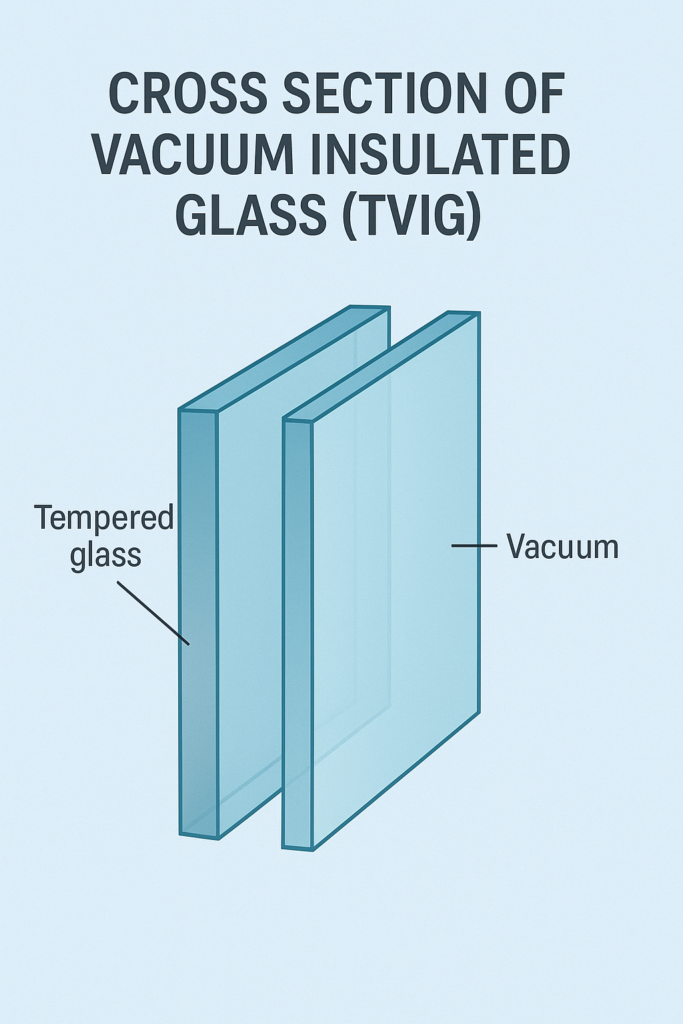
TVIG integrates tempered glass with a vacuum cavity, effectively eliminating most pathways for heat transfer. With a U-value below 0.3 W/m²·K, it achieves insulation performance once limited only to opaque materials like insulated panels.
This level of thermal resistance makes TVIG especially critical for:
- Net-zero energy buildings (NZEB)
- Passive house–grade façades
- High-performance commercial glass systems
Its ability to reduce heat loss, lower energy consumption, and improve thermal comfort places it at the forefront of the sustainable construction revolution.
A Rapidly Growing Global Market
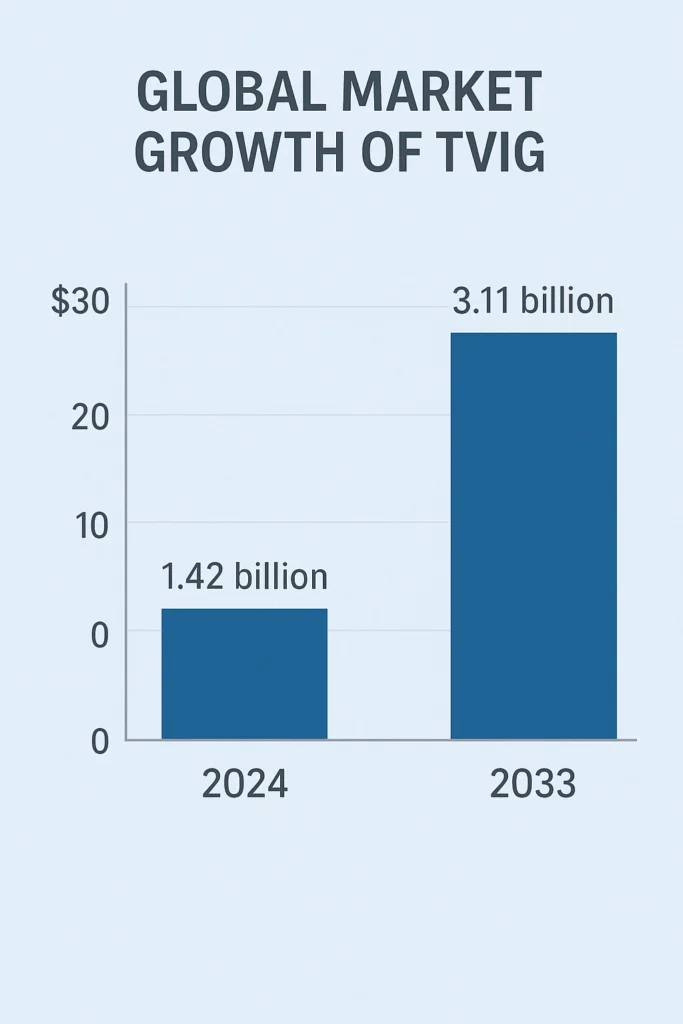
According to data from Research Intelo, the global Tempered Vacuum Insulated Glass market—valued at USD 1.42 billion in 2024—is set to reach USD 3.11 billion by 2033, representing a compound annual growth rate of 9.1%.
This surge is driven by:
- The urgent need for energy-saving infrastructure
- Government incentives promoting low-carbon retrofitting
- The rise of smart, responsive, tech-integrated buildings
As cities grow and carbon reduction targets tighten, demand for high-performance glazing is expected to accelerate further.
Key Drivers of TVIG Adoption
1. Green Buildings & Net-Zero Homes
Tightening sustainability standards are pushing architects and developers toward materials that combine transparency with efficiency.
In commercial and industrial settings, TVIG also enhances:
- Acoustic insulation
- UV protection
- Safety and security performance
2. Smart Buildings & Intelligent Façades
TVIG pairs exceptionally well with:
- Electrochromic coatings (for dynamic tinting)
- Photovoltaic layers (for power generation)
Together, they support façades that respond automatically to daylight, temperature, and user needs, minimizing energy waste.
3. Technological Breakthroughs
Innovation is helping TVIG become more affordable and scalable:
- Advanced vacuum sealing
- Ultra-thin tempered glass production
- Higher-precision automated manufacturing
4. Policy & Certification Support
Adoption is further boosted by frameworks such as:
- BREEAM
- LEED
- National energy codes in developed and emerging markets
Challenges to Overcome
Despite its potential, the TVIG sector still faces obstacles:
- High upfront costs
- Lack of standardized testing systems
- Low public awareness
However, manufacturers are reducing costs through mass production, global partnerships, and localized factories—all accelerating mainstream adoption.
Beyond Buildings: Expanding Application Fields
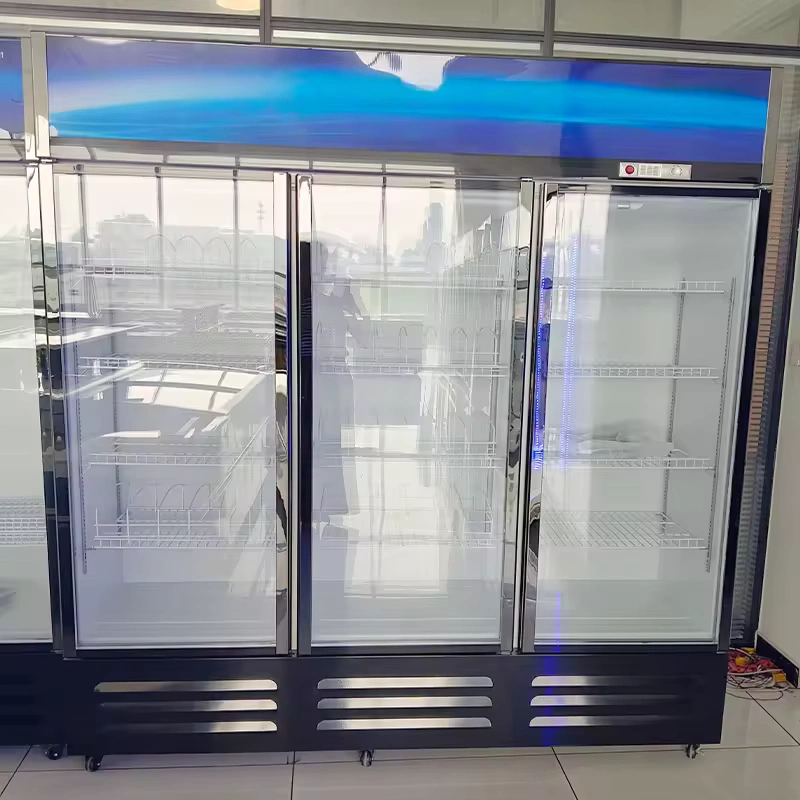
TVIG’s ultra-low thermal conductivity makes it ideal not only for architecture but also for:
- High-efficiency refrigeration
- Automotive and rail glazing
- Solar energy systems requiring minimal heat loss
As electrification and smart materials continue to evolve, the boundaries between architectural glass and functional glass are becoming increasingly blurred.
Regional Highlights
North America
Strong energy policies and green building incentives boost TVIG demand in both residential and commercial sectors.
Asia-Pacific
Rapid urbanization in China, India, and Japan fuels large-scale smart infrastructure projects, making APAC one of the most dynamic markets for high-performance glazing.
Conclusion: From Niche Innovation to Industry Standard
Once considered a niche technology, Tempered Vacuum Insulated Glass is rapidly becoming a benchmark for next-generation building envelopes.
Its unmatched insulation, structural strength, and compatibility with smart coatings position it as a key enabler of:
- Net-zero
- Climate-adaptive
- Future-ready
architecture.
TVIG is not just reshaping windows—it is redefining how the buildings of tomorrow will breathe, respond, and save energy.
Looking to enhance comfort, reduce energy costs, and future-proof your designs?
Xpert Building Material has the right TVIG solution for you.
👉 Reach out to our team—we’re ready to help.